

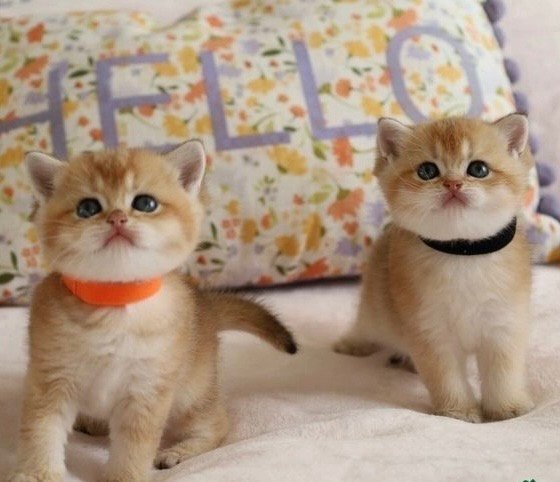
The British Shorthair kitten is a beloved breed known for its charming appearance and affectionate nature. With their round faces, dense coats, and striking color variations, these kittens are not only visually appealing but also possess a friendly and easygoing temperament that makes them ideal companions. Originating from the United Kingdom, the British Shorthair has a rich history that dates back to ancient times, and they have become one of the most popular cat breeds in the world. Whether you are considering bringing a British Shorthair kitten into your home or simply want to learn more about this delightful breed, understanding their characteristics, care needs, and personality traits is essential for ensuring a happy and healthy feline friend.
Overview of British Shorthair Kittens
History and Origin
The British Shorthair, a breed that’s as storied as a classic British novel, traces its roots back to ancient Rome when feline friends were brought over as practical pest controllers. Fast forward through the centuries, and these cats became darlings of the Victorian era, inspiring the Cheshire Cat in “Alice’s Adventures in Wonderland.” With a rich lineage and a noble demeanor, British Shorthairs have claimed their place as one of the UK’s most beloved breeds.
Popularity and Demand
In recent years, British Shorthair kittens have surged in popularity, thanks to their charming looks and laid-back personalities. With their round faces and dense coats, it’s no wonder they’ve become Instagram stars, often featured in posts that coincide with every cat lover’s ultimate dream: endless cuddles and adorably loaf-like poses. Breeders are buzzing to keep up with the demand, and adopting one of these cuties has become a rite of passage for many cat enthusiasts.
Physical Characteristics and Appearance
Size and Weight
British Shorthairs are the sturdy rugby players of the cat world. Males typically range from 9 to 17 pounds, while females come in a bit daintier at about 7 to 12 pounds. Their stocky build and muscular frames give them an air of confidence that’s hard to ignore. Just be prepared for the occasional “thud” when they decide to leap off the couch; it’s just their kitten-sized charm!
Coat Color and Patterns
One of the standout features of the British Shorthair is its plush coat, which comes in a variety of colors and patterns. From the classic blue-gray to a dazzling array of whites, blacks, and even funky tabbies, these kittens can be as unique as their personalities. Popular color variations like “golden” or “tortie” add an extra sprinkle of appeal, making it difficult to choose just one.
Distinctive Features
With their round faces, large, expressive eyes, and a thick, plush coat, British Shorthairs could easily be mistaken for fluffy little teddy bears. Their ears are short and rounded, giving them a slightly cartoonish charm. Pair that with their chunky paws and a thick tail, and you have a feline friend that perfectly balances cute with regal elegance. Who wouldn’t want to cuddle up with such a distinguished-looking companion?
Temperament and Personality Traits
General Disposition
British Shorthairs are known for their calm and easy-going natures. They’re like the zen masters of the cat world, content to lounge around the house while still being playful. These kittens embody the perfect blend of affection and independence, making them excellent companions for those who appreciate both cuddles and a little personal space.
Social Behavior with Humans
This breed thrives on human interaction and is generally friendly and gentle. They enjoy being around people and may follow you from room to room, likely just to supervise your daily activities (because, naturally, they are the true rulers of the house). However, they’re not overly clingy; they’ll happily curl up next to you while still maintaining their air of feline independence.
Interaction with Other Pets
British Shorthairs can be social butterflies amongst other pets, often getting along well with dogs and fellow felines alike. They possess an easy-going temperament that allows them to adapt to various situations. Still, they might take the lead in establishing boundaries, so it’s crucial to ensure every pet knows their place in the household hierarchy—because let’s face it, there can only be one true ruler!
Care and Maintenance Requirements
Grooming Needs
Thanks to their plush coat, British Shorthairs do need a bit of grooming, but it’s nothing overly taxing. A good brushing once a week will help keep their fur looking fabulous and minimize shedding. Plus, it’s a great opportunity for bonding—think of it as a spa day, but for your kitty. Regular brushing also helps prevent any pesky mats from forming in their luscious coats.
Exercise and Play Requirements
While British Shorthairs are known for their chill disposition, they still enjoy playtime to keep their minds sharp and bodies fit. Engaging in interactive play with feather toys or chasing after laser pointers can keep them entertained. Just don’t be surprised if they occasionally prefer to opt for a quiet nap over an intense game—after all, they’ve got a reputation to maintain as the ultimate couch potatoes.
Environment and Living Space
British Shorthairs adapt well to various living environments, whether it’s a cozy apartment or a spacious house. They don’t require vast amounts of space but do appreciate having a few comfy napping spots and some climbing opportunities. A perching place near a window is particularly loved, as it allows them to enjoy the world outside—ideal for indulging their inner birdwatcher while still maintaining their majestic air.
Health Considerations and Common Issues
Genetic Health Concerns
British Shorthair kittens are typically robust, but they can be prone to some genetic health issues. The most common culprits include hypertrophic cardiomyopathy (a fancy term for heart disease) and certain skeletal issues. To keep your kitten purring and playing, it’s wise to ask your breeder about health screenings for these conditions before bringing your fluffy friend home.
Routine Veterinary Care
Regular vet check-ups are crucial! Schedule that first visit shortly after adoption. Your vet will provide vaccinations, check for parasites, and set up a schedule for future visits. Also, don’t forget about dental care; those adorable little chompers need attention too! Regular cleanings and dental treats can keep their smiles bright and their breath… well, less stinky.
Signs of Illness to Watch For
Kittens are pros at hiding their discomfort, but some telltale signs will give you a nudge to get them checked out. Look for changes in appetite, behavior, or litter box habits. Sneezing, coughing, or unusual lethargy can be red flags. If your kitten starts acting like a tiny couch potato instead of a playful ball of fur, it might be time for a trip to the vet.
Nutrition and Feeding Guidelines
Recommended Diet Types
For those fluffy British Shorthair cuties, a high-quality diet rich in protein is the way to go. Look for formulas specifically designed for kittens; they have the right mix of nutrients for growth and development. Wet food can be great for hydration and taste, while dry food helps keep those pearly whites in check! Mix and match for variety (and to keep your kitten from staging food protests).
Feeding Frequency and Portions
Kittens have energy to burn—like a tiny, furry dynamo—so they need to eat frequently. Aim for three to four meals a day until they’re about six months old. After that, you can transition to two meals. Pay attention to portions; follow the feeding guidelines on the food packaging and adjust based on your kitten’s activity level. They’ll be grateful for every bite… and so will your shoes (they’re not toys, trust me).
Special Dietary Needs
Some kittens may have special dietary requirements due to allergies or sensitivities. If your British Shorthair is showing signs of food intolerance (think sneezing, upset tummies, or excessive scratching), consult your vet for tailored dietary recommendations. Also, keep an eye on their weight—these adorable furballs can sometimes tip the scales a little too far.
Training and Socialization Tips
Basic Commands and Obedience Training
Yes, you can train a British Shorthair! Start with simple commands like “sit” and “come” using treats as positive reinforcement. With patience and consistency, your kitten will master the art of obedience (or at least pretend to). Training sessions can also be a great bonding opportunity—just don’t be surprised if they decide napping is more important than fetching.
House Training Techniques
The good news? British Shorthairs are generally easy to litter train. Provide a clean litter box in a quiet area and show them how to use it (most kittens come pre-wired for this). Keep the box clean and scoop daily to encourage proper bathroom etiquette—no one likes a stinky litter box, after all. And if accidents happen, don’t fret! Kittens are still learning the ropes.
Importance of Early Socialization
Socialization is key to raising a well-adjusted British Shorthair. Expose your kitten to different people, pets, environments, and experiences early on. This can help them develop confidence and reduce anxiety as adults. Remember, the goal is to turn your little cuddle monster into a well-rounded companion who isn’t spooked by the vacuum or strangers (or that one weird neighbor).
Choosing the Right Breeder or Adoption Source
What to Look for in a Responsible Breeder
When searching for a suitable breeder, look for one who prioritizes the health and temperament of their kittens. Visit their facility to ensure it’s clean and that the kittens are well socialized. A responsible breeder will be knowledgeable about the breed and will provide health clearances for the parents. If they act more like a kitten mill than a caring cat parent, it’s best to look elsewhere.
Adoption from Shelters vs. Breeders
Adopting from shelters can be a fantastic way to bring a British Shorthair into your home while giving a loving cat a second chance. Shelters often have mixed breeds and may even have British Shorthairs looking for forever homes. That said, if you have your heart set on a purebred, reputable breeders can provide you with the pedigree and health assurances you might be looking for.
Questions to Ask Before Purchase or Adoption
Whether you’re adopting or buying, it’s important to ask the right questions. Inquire about the kitten’s health history, vaccination status, and socialization efforts. Don’t hesitate to ask about the parents’ health and temperament, as this can give clues about your future furball. If the breeder or shelter is evasive or dismissive, you may want to reconsider—trust your instincts; they often know best!In conclusion, the British Shorthair kitten is a wonderful addition to any household, offering both companionship and charm. By understanding their unique traits, care requirements, and health considerations, prospective owners can provide an enriching environment that fosters their well-being. Whether you’re drawn to their striking appearance or their affectionate nature, a British Shorthair can bring joy and warmth to your life for many years to come.
Frequently Asked Questions
What is the typical lifespan of a British Shorthair kitten?
The typical lifespan of a British Shorthair is around 12 to 20 years, depending on their health, diet, and care.
Are British Shorthair kittens good with children and other pets?
Yes, British Shorthair kittens are generally known for their friendly and gentle nature, making them great companions for children and other pets.
How much should I feed my British Shorthair kitten?
Feeding guidelines can vary, but British Shorthair kittens typically require a balanced diet of high-quality kitten food, with portions adjusted based on their age, weight, and activity level.
Do British Shorthair kittens require a lot of grooming?
British Shorthair kittens have dense coats that require regular grooming, but they are relatively low-maintenance compared to other breeds. Weekly brushing is usually sufficient to keep their coats healthy and free of mats.